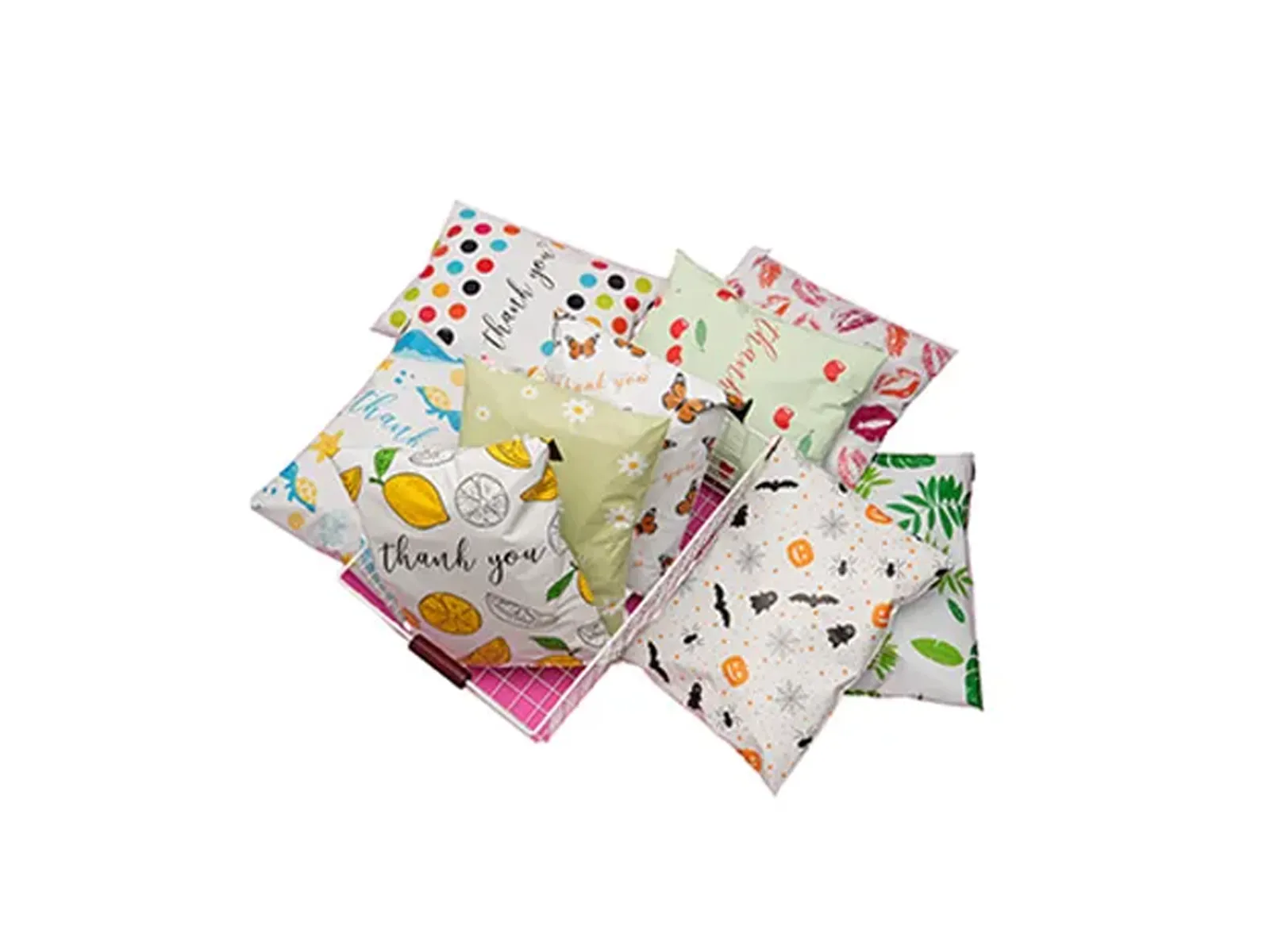
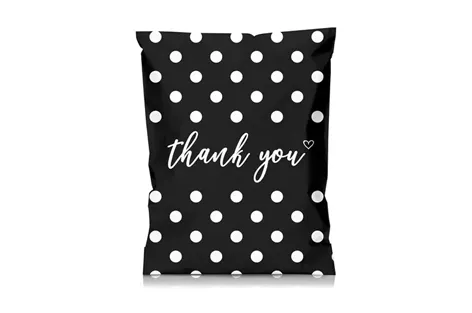
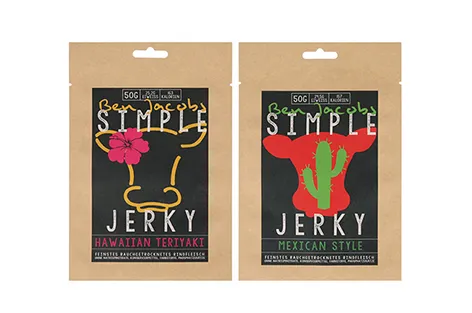
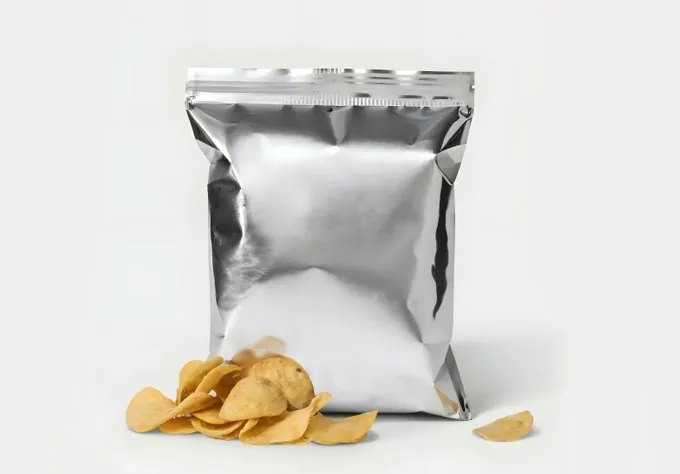
Australian brands that source packaging from China usually ask about more than unit price. In our conversations with Australian e-commerce sellers, food brands, beauty brands, and apparel businesses, the same questions come up repeatedly: Can the print stay consistent across repeat orders? Is the material claim backed by documentation? What will the landed cost look like? How long should sea freight or air freight realistically take?
This guide summarizes what ZoyuePack has learned from serving Australian packaging buyers and how brands can choose custom poly mailers, printed pouches, compostable packaging, and shipping options with fewer surprises.
Instead of making broad claims about being “the most trusted partner,” we will focus on the practical details Australian buyers usually need before placing an order.
What Australian Packaging Buyers Usually Ask First
For Australian businesses, packaging decisions are often shaped by four practical concerns: brand presentation, sustainability expectations, compliance documentation, and China-to-Australia logistics.
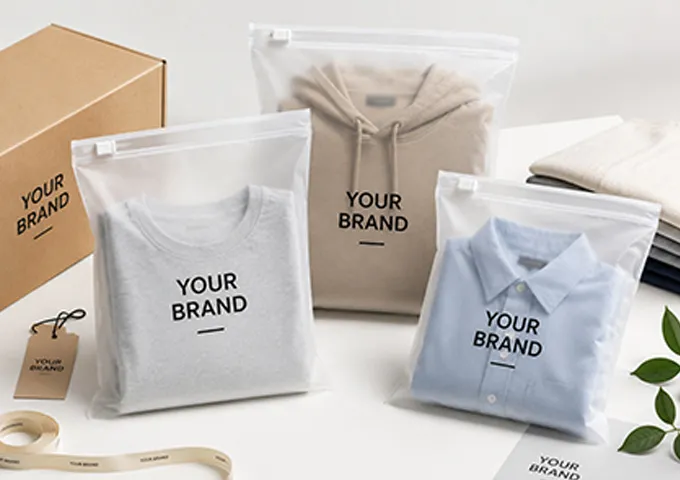
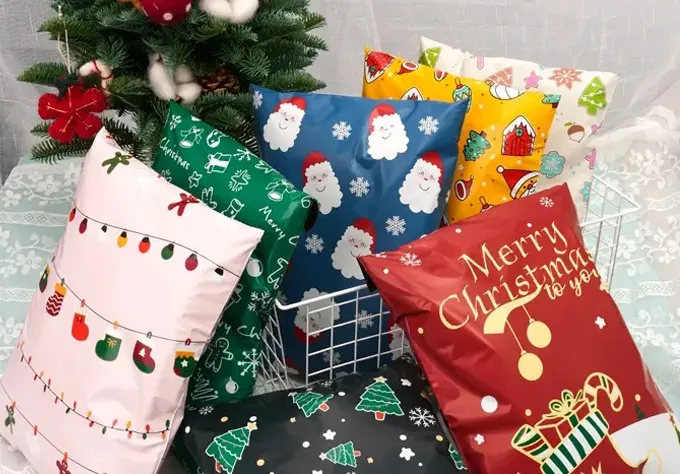
Brand presentation: the bag or pouch is often the first physical brand touchpoint after an online purchase.
Material claims: buyers want to know whether a mailer is recyclable, compostable, reusable, or simply lower-impact compared with a standard option.
Proof: certificates, material data, artwork files, production photos, and repeat-order records matter more than generic promises.
Landed cost: shipping method, carton volume, lead time, and customs terms can change the real cost more than the bag price alone.
Custom Printing Options for Poly Mailers and Pouches
The right printing method depends on order volume, artwork complexity, color tolerance, and how often the design will change. For Australian brands testing a new product line, the best printing method is not always the one with the lowest unit price.
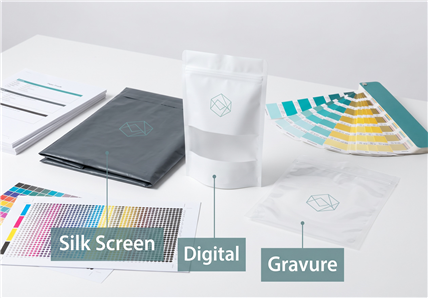
Printing Method | Best For | Key Consideration |
Silk screen printing | Simple logos, one or two solid colors, lower-volume branded mailers | Lower setup complexity, but limited for gradients and detailed artwork |
Digital printing | Short runs, test drops, complex full-color designs, seasonal packaging | Flexible for small batches, but unit cost may be higher at scale |
Gravure printing | Large repeat orders, high color consistency, wholesale custom poly mailers or printed pouches | Higher setup cost, best when the design is stable and volume is predictable |
A practical approach is to test artwork and market response with digital printing first, then move to gravure printing when the design is stable and monthly demand justifies tooling. This avoids paying for plates too early while still giving the brand a path to lower unit cost at scale.
Before production, we recommend confirming the artwork file format, Pantone or CMYK color expectations, logo placement, bleed area, bag size, and whether the same design will be repeated in future orders.
Sustainable Packaging Requirements in Australia
Australia has strong public and regulatory pressure around packaging waste. When Australian buyers ask for eco-friendly packaging, the conversation should be specific: recyclable, reusable, commercially compostable, home compostable, recycled content, or reduced material usage are different claims.
The Australian Packaging Covenant Organisation (APCO) lists national packaging targets that apply to packaging made, used, and sold in Australia. The targets include 100% reusable, recyclable, or compostable packaging and 70% of plastic packaging being recycled or composted. APCO also notes that the original 2025 deadline will not be fully met and that work is continuing toward revised timing.
This distinction matters. A supplier should not simply say “eco-friendly” without explaining what the material is, what standard it is tested against, and what disposal environment it requires.
Reference: APCO National Packaging Targets
Reference: Australian Government DCCEEW - Australian Packaging Covenant Organisation
PLA+PBAT Compostable Packaging: Useful, but Not a Shortcut
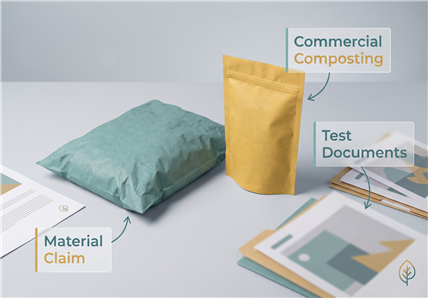
ZoyuePack can produce selected mailer bags, zipper bags, and stand-up pouches using PLA+PBAT blends. PLA is commonly derived from renewable plant-based sources, while PBAT helps improve flexibility and compostability performance under controlled conditions.
However, this material should not be marketed carelessly. Many PLA+PBAT products require commercial composting conditions, including controlled temperature, humidity, and processing time. If the product is not certified for home composting, it should not be described as home compostable.
For Australian buyers, the safer approach is to ask for the exact certificate, test standard, material structure, thickness, intended disposal route, and any limitations before using sustainability claims on consumer-facing packaging.
China-to-Australia Shipping: Sea Freight vs. Air Freight
Packaging is lightweight but can take up carton space. That means shipping cost depends not only on weight, but also on volume, carton dimensions, route, season, and Incoterms. Any freight estimate should be treated as a planning range rather than a fixed rule.
Shipping Option | Best For | Planning Notes |
Sea freight | Regular replenishment, larger packaging orders, stable demand | Usually more cost-effective for bulk orders, but requires earlier planning and longer transit time |
Air freight | Product launches, urgent restocking, trade shows, small urgent batches | Faster but significantly more expensive, so it is best used selectively |
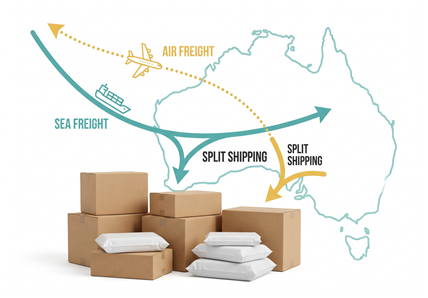
Split shipping | Brands that need both cost control and launch flexibility | Use sea freight for the main order and air freight for a small urgent portion |
For repeat Australian orders, a split shipping plan often works better than choosing only one method. The main stock can move by sea freight, while a smaller portion can move by air freight if a launch date or stockout risk requires it.
Before quoting, we normally check bag size, carton quantity, estimated packed volume, delivery postcode or port, preferred terms, and whether the order is for regular restocking or a fixed launch date.
How to Choose a Reliable Packaging Supplier for Australia
A reliable paper bag packaging supplier should help you reduce uncertainty before production, not only quote the lowest price. For Australian brands, we recommend checking the following points before confirming a bulk order:
Ask whether the supplier can explain the difference between recyclable, compostable, and recycled-content materials.
Request relevant certificates or test documents before using sustainability claims in your own marketing.
Confirm the printing method, color tolerance, artwork proofing process, and repeat-order control method.
Test physical samples for seal strength, thickness, surface feel, printing accuracy, and packing-line performance.
Review carton dimensions and shipping plan before judging whether the unit price is truly competitive.
Ask how the supplier handles reorder consistency, including material batch, color, size, and packaging specifications.
A Practical Project Example
One Australian apparel project started with a short-run digital print order to test a seasonal mailer design. The buyer wanted bright logo color, a smooth outer surface, and enough thickness to protect clothing during domestic delivery after arrival in Australia.
After the first drop, the brand kept the same artwork and moved to a larger repeat order. At that stage, we reviewed whether gravure printing made sense based on expected monthly volume, color consistency needs, and the cost of setup. This type of staged approach is often safer than committing to high-volume tooling before the brand has confirmed demand.
Note: project details should be anonymized or published only with customer permission. If exact savings or waste-reduction numbers are used, they should include the calculation method and time period.
What to Send Us for a Quote
To recommend the right custom packaging for the Australian market, we need more than a product name. The more accurate your brief is, the more accurate the material, printing, and shipping recommendation will be.
Packaging type: poly mailer, bubble mailer, zipper bag, stand-up pouch, kraft mailer, or another format
Bag or pouch size, product weight, and whether the product has sharp corners or rigid packaging
Material preference: recyclable PE, compostable PLA+PBAT, kraft paper, recycled-content structure, or undecided
Printing requirement: logo only, full-color artwork, seasonal design, matte/gloss finish, or Pantone color target
Estimated order quantity and whether this is a trial run or repeat order
Delivery destination in Australia and preferred timing
With this information, ZoyuePack can suggest a suitable structure, printing method, sample plan, production timeline, and China-to-Australia shipping option.
FAQ
Can Australian brands order small custom packaging runs first?
Yes. For design testing or early product launches, digital printing or simple logo printing may be suitable before moving to larger-scale production.
Can compostable bags be labeled as home compostable?
Only if the material and finished package are certified for home composting under the relevant standard. Many PLA+PBAT structures require commercial composting conditions, so the claim must match the certificate and disposal route.
Which printing method is best for custom satchels?
For simple logos, silk screen printing may be enough. For short runs or complex artwork, digital printing is more flexible. For large repeat orders, gravure printing can deliver strong consistency and lower long-term unit cost.
Should I choose sea freight or air freight to Australia?
For planned replenishment, sea freight is usually more cost-effective. For urgent launches or stockout risk, air freight can be used for a smaller portion of the order. The best option depends on volume, deadline, and destination.
How does ZoyuePack help reduce sourcing risk?
We help clarify material claims, printing method, sample testing, production requirements, and shipping options before bulk production. The goal is to make the order easier to repeat, not just cheaper on the first quote.
Final Recommendation
Australian packaging buyers do not need generic promises. They need clear material information, consistent printing, realistic logistics planning, and documentation that supports the claims printed on their packaging.
If you are sourcing custom satchels, compostable mailer bags, printed pouches, or other flexible packaging for the Australian market, send ZoyuePack your product size, artwork, material preference, quantity, and delivery plan. We will help you compare practical options before you commit to bulk production.
Author Bio
ZoyuePack Sales Team
The ZoyuePack Sales Team is a young, passionate, and goal-driven foreign sales team dedicated to providing professional packaging solutions for global customers. With a strong sense of responsibility and customer-first service mindset, the team supports clients through every step—from product consultation and customization to order follow-up and after-sales communication.
Behind every inquiry and order, the ZoyuePack Sales Team values sincerity, efficiency, and long-term trust. Their commitment to responsive service, careful communication, and continuous improvement helps customers find reliable packaging products that fit both brand needs and logistics requirements.
For the ZoyuePack Sales Team, sales is not only about business growth, but also about building meaningful partnerships with customers worldwide.
Oven Zhong
I’ve spent over 20 years deeply rooted in the packaging industry, learning the craft from the ground up within my family’s business. Today, as the founder of ZoyuePack, I’m known by colleagues and competitors alike as the "Packaging Brother"—a title I wear with pride because I believe in collaboration over mere competition. You’ll often find me on the factory floor filming videos to demystify the science of LDPE versus compostable materials. For me, ZoyuePack isn't just a faceless corporation; it’s a platform where I can educate, share candid industry insights, and help you tell your brand’s story through sustainable, innovative packaging.
 English