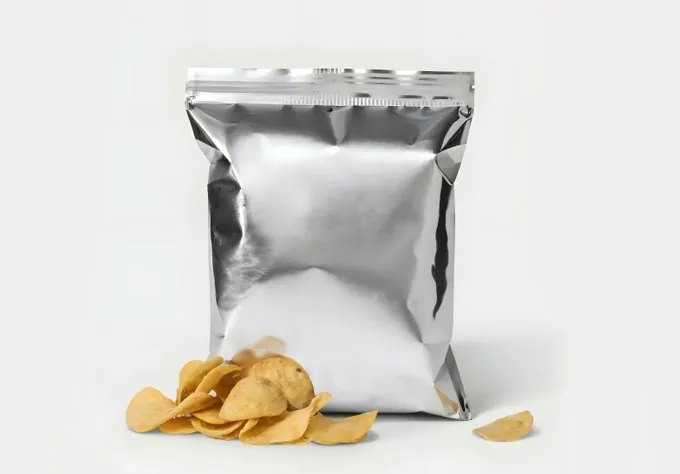
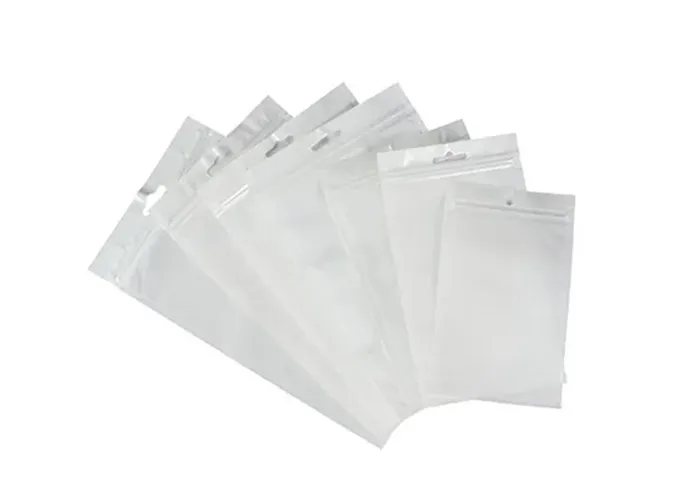
In 2026 premium retail, packaging must do two jobs at once — protect the product and sell it visually before it is even touched. High-clarity OPP is gaining ground because it creates a crisp, reflective glass effect that makes products look cleaner, more expensive, and more giftable. This guide explains why packing plastic bags made from OPP are trending across premium categories, and how to choose the right OPP pouch style for your brand, product protection, and shelf presentation.
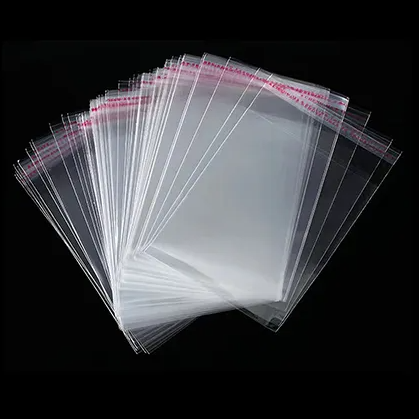
OPP Pouch Trend 2026: Why Glass-Clear Packaging Converts Better
What Shoppers Respond To
Retail research consistently shows that product visibility increases purchase confidence. When a shopper can see exactly what they are buying — not through a hazy, soft film but through a sharp, glass-like surface — the product appears more premium, more trustworthy, and more worth the price.
| Packaging Type | Shopper Perception | Shelf Impact |
|---|
| Standard PE clear bag | Functional; slightly hazy | Adequate for commodity products |
| OPP high-clarity bag | Clean, glossy, "glass effect" | Significantly higher perceived value |
| Matte frosted bag | Premium but obscures product | Works for known brands; less effective for new products |
Why OPP Outperforms Common Alternatives
OPP (oriented polypropylene) film achieves its glass effect through a biaxial stretching process during manufacturing that aligns polymer chains and reduces light scattering. The practical result is a sharper, more reflective surface than standard PE or CPP alternatives.
Best-Fit Product Categories in 2026
Cosmetics accessories and beauty tools
Stationery, craft kits, and small gifts
Fashion accessories and jewelry
Collectibles and specialty retail
Bakery and confectionery (food-grade spec required)
Packing Plastic Bags Performance: OPP Material Advantages
Material Properties That Matter at Retail
| Property | OPP Advantage | Practical Benefit |
|---|
| Transparency and haze | Lowest haze of common flexible packaging films | Products look as good in packaging as out of it |
| Surface gloss | High specular reflection — the glass effect | Premium shelf presence without premium printing budget |
| Stiffness and shape retention | Stiffer than PE; holds form without wrinkling | Neater on peg displays; better stacking on shelf |
| Printability | Accepts surface printing with good ink adhesion | Brand graphics and minimal logos print cleanly |
| Weight | Lighter than equivalent thickness PE | Lower shipping cost per unit at volume |
Practical Retail Benefits
Peg display: OPP bags maintain their hang-hole position and do not droop or bunch on the peg
Shelf stacking: crisp edges and flat surfaces allow uniform stacking without the bulging common in softer films
Wrinkle resistance: OPP film recovers from light handling better than lower-stiffness alternatives, keeping shelf stock looking fresh
Honest Trade-offs
OPP is not the right choice for every application. For products with sharp edges or heavy weight, thicker film or a reinforced structure may be needed. For applications requiring significant stretch or impact resistance, PE or coextruded structures are better matches.
OPP Pouch Styles: Choosing the Right Closure and Format
Common Configurations
| Style | How It Works | Best Application |
|---|
| Self-adhesive flap | Peel-and-seal closure on the top flap | Retail accessories, gifts, stationery — resealable for customer convenience |
| Heat-sealed bag | Factory-sealed; tamper-evident | Single-use retail presentation; food and cosmetics |
| Euro-slot hang bag | Die-cut hang hole at the top; heat or adhesive sealed | Peg display; retail fixtures; accessories |
| Gusseted OPP bag | Side gussets allow expansion for bulkier products | Three-dimensional products; bakery items; sets |
Selection Criteria
Tamper evidence: heat-sealed bags require cutting to open — appropriate for cosmetics and food where tampering is a concern
Reseal convenience: self-adhesive flap is preferred for accessories and gifts where the customer may want to reseal before gifting
Display method: euro-slot is the standard for peg retail; flat bags suit shelf or drawer display
Product dimensions: measure the largest dimension of the product including any rigid packaging inside — the bag must fit without stress on the seams
Functional Add-Ons Worth Considering
Anti-static film for electronics and components sensitive to electrostatic discharge
Vent holes for bakery items that need moisture escape to prevent condensation
Barcode label zone — a designated unprinted area on the back for retailer barcode application
Packing Plastic Bags Branding: The Premium Minimal Logo Look
Branding Styles That Pair Well with OPP
The glass effect works best when the branding does not compete with the product visibility. The most effective aesthetic for OPP in premium retail is minimal — a small logo, a clean typeface, and a single accent color or metallic ink.
| Branding Approach | How It Works on OPP | Visual Result |
|---|
| White ink on clear OPP | Logo appears to float in front of the product | Modern, editorial, high-end feel |
| Metallic foil accent | Small foil stamp on corner or along edge | Luxury premium positioning |
| Black or single-color print | Strong contrast on the clear film | Clean, confident brand identity |
| Full-bleed frosted area | Matte panel on part of the bag with clear product window | Sophisticated contrast effect |
Print Considerations
Ink adhesion: OPP requires surface treatment (corona treatment) before printing for ink to bond correctly — confirm with your supplier that this is standard process
Rub resistance: OPP bags are handled repeatedly at retail — confirm ink has adequate rub resistance for your expected shelf cycle
Color consistency: for branded retail programs, request Pantone-matched printing and physical color proof approval before bulk production
Merchandising Alignment
Position the print so the product remains the visual focal point. For ZoyuePack packaging supplies custom solutions, keep the logo and any essential information along the top or a side edge rather than the center—so the product stays clearly visible through the glass-clear film as the primary visual draw.
OPP Pouch Sourcing Checklist: Specs to Confirm Before Ordering
Quote-Ready Specification Template
| Field | What to Specify | Notes |
|---|
| Bag dimensions | Width × height in mm | Measure product at its largest point and add clearance |
| Film thickness | Microns (typical range 25–50 µm) | Heavier products or sharp edges need thicker film |
| Flap length | mm — for self-adhesive styles | Standard is 30–40 mm; longer flap for larger bags |
| Closure type | Self-adhesive, heat-seal, or open top | Match to your filling and display method |
| Hang hole | Euro-slot, round hole, or none | Required for peg display |
| Print specification | Colors, logo placement, ink type | Include Pantone references |
| Food grade | Yes or no | Required if product contacts food |
| Anti-static | Yes or no | Required for electronics |
| Packaging | Carton quantity and orientation | Affects freight and storage planning |
Quality Checks to Request
Haze value: confirm below a defined threshold — haze above 3–5% begins to reduce the glass effect visibly
Seal strength: confirm peel force for adhesive seals or bond strength for heat seals against your application requirement
Adhesive consistency: self-adhesive tapes must activate reliably across your temperature storage range — test at both low and high temperature extremes
Sampling Plan Before Bulk Order
Fill sample bags with your actual product and assess fit, clarity, and label scan reliability
Drop test: simulate courier or retail handling — bags should not split at seams or corners under normal handling
Shelf trial: hang or stack on your actual fixture type for one week and assess appearance retention
Conclusion
For premium retail in 2026, visual clarity is a competitive advantage that converts browsers into buyers before a product is even picked up. High-clarity OPP packing plastic bags help products look more refined, organized, and gift-ready while supporting efficient merchandising and minimal branding. The key is choosing the right OPP pouch format, thickness, and closure for your specific product protection and display requirements.
FAQ
Q1: What is an OPP pouch and why does it look different from a standard plastic bag?
An OPP pouch is made from oriented polypropylene film — a biaxially stretched film that achieves significantly higher clarity and surface gloss than standard PE bags. The result is a glass-like appearance that makes products visible with exceptional sharpness and makes the packaging itself feel premium.
Q2: Why are packing plastic bags made from OPP popular in premium retail?
OPP's glass-clear appearance improves product visibility and perceived value — shoppers associate the crisp, reflective surface with quality. Products in OPP bags consistently read as more premium on shelf and peg displays compared to the same products in standard PE or soft film packaging.
Q3: Are OPP pouches resealable?
Self-adhesive flap styles are resealable — the peel-and-seal closure can be opened and resealed multiple times. Heat-sealed styles are factory-sealed and require cutting to open, which provides tamper evidence but no reseal function.
Q4: How do I choose the right film thickness for OPP packing plastic bags?
Match thickness to the product's weight, edge sharpness, and how the bag will be handled. Lightweight accessories and flat items suit 25–30 µm. Heavier items, products with sharp edges, or bags that will be handled repeatedly in retail environments benefit from 40–50 µm.
Q5: What information should I provide to request an OPP pouch quotation?
Bag dimensions (width × height), film thickness, closure style (self-adhesive or heat-seal), hang hole requirement, print specification including Pantone references, order quantity, and whether food-grade or anti-static film is required.
Oven Zhong
I’ve spent over 20 years deeply rooted in the packaging industry, learning the craft from the ground up within my family’s business. Today, as the founder of ZoyuePack, I’m known by colleagues and competitors alike as the "Packaging Brother"—a title I wear with pride because I believe in collaboration over mere competition. You’ll often find me on the factory floor filming videos to demystify the science of LDPE versus compostable materials. For me, ZoyuePack isn't just a faceless corporation; it’s a platform where I can educate, share candid industry insights, and help you tell your brand’s story through sustainable, innovative packaging.
 English